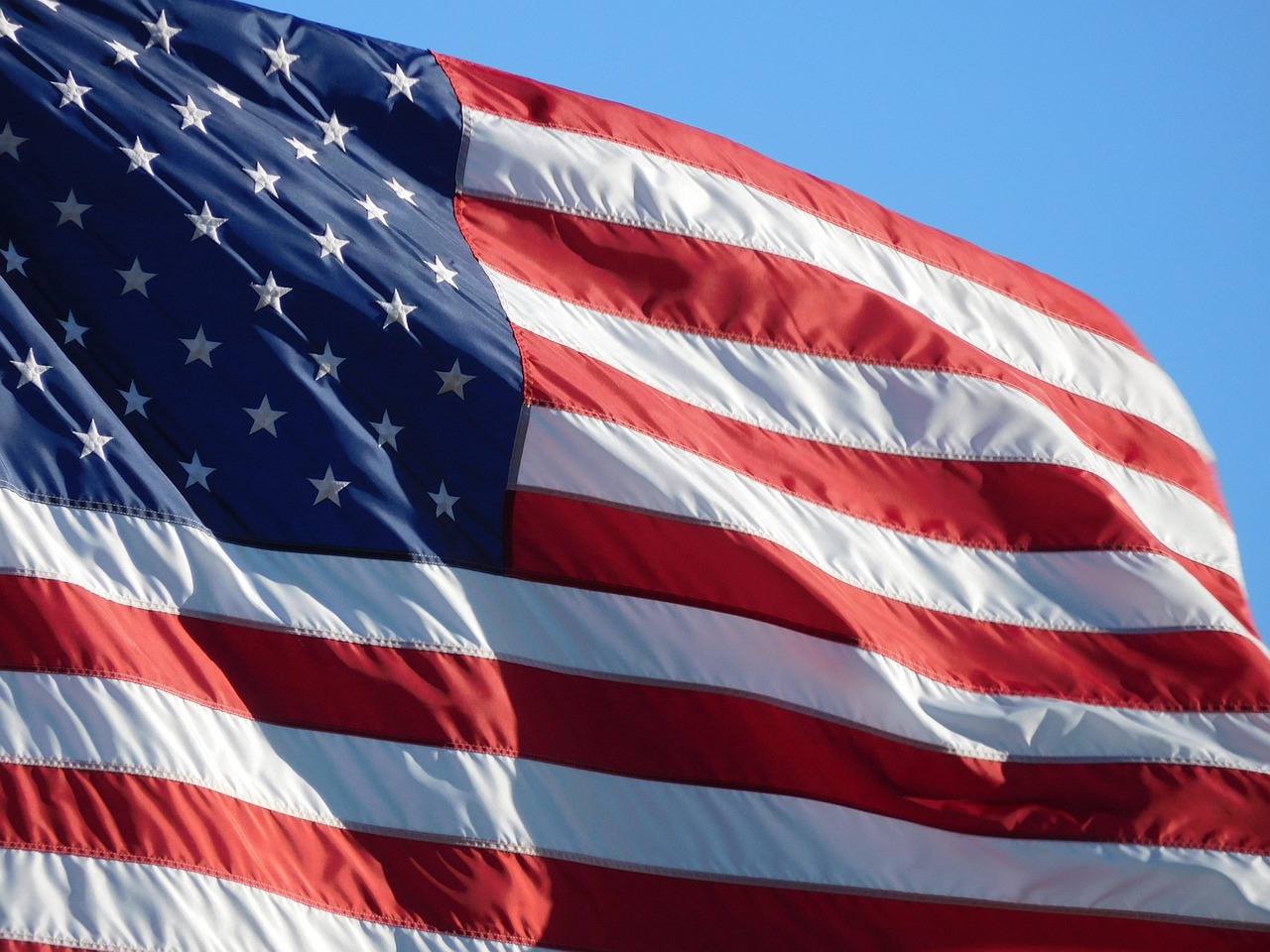
To ensure flag safety at outdoor events, follow these key steps: always secure flags properly with strong hardware, especially in windy conditions. Choose high-quality, durable flags and poles from a trusted supplier like Ultimate Flags to withstand the elements. Regularly inspect flags for wear and tear, and replace them as needed to maintain safety. For large events, consult with a professional to ensure proper installation and safety measures are in place.
Key Takeaways
- Ensure flags are securely attached to flagpoles with proper hardware to prevent sudden movements and potential hazards.
- Regularly inspect flags and poles for wear and tear, replacing damaged items promptly to maintain safety.
- Consider wind conditions and adjust flag display accordingly; heavy winds can cause flags to become unmanageable.
- Place flags in visible yet protected areas, away from high traffic zones, to minimize the risk of accidental damage.
- Utilize weather-resistant materials for flags and poles to withstand harsh environmental conditions.
- Implement a maintenance schedule for flag displays, including cleaning and repairs, to ensure optimal condition.
- Consult local regulations and guidelines regarding flag placement and safety standards for outdoor events.
Flag safety is paramount for outdoor events, from community gatherings to grand celebrations. However, the display of flags often presents a unique set of challenges. Improper installation, exposure to the elements, and lack of awareness around best practices can lead to potential hazards, ranging from damage to property to breaches in protocol. This is where a trusted authority, like the USA Flag Store, steps in. We offer comprehensive guidance on flag safety, drawing from industry standards, historical practices, and expert insights. By understanding the risks and implementing sound safety measures, event organizers can ensure a secure and respectful display, enhancing the overall experience for all participants.
- Choosing Safe Flag Installations for Events
- Weather-Resistant Flags: Essential for Outdoor Safety
- Best Practices for Flag Maintenance at Events
- Preventing Accidents: Flagpole Safety Tips
- Regulations and Guidelines for USA Flag Store Installations
Choosing Safe Flag Installations for Events
When planning outdoor events, flag safety should be a top priority. Proper flag installation is crucial for preventing accidents and maintaining the respect due to the Flag of the United States of America. Whether it's for a civic event, sports tournament, or national holiday celebration, the guidelines for American flag displays in public spaces must be followed rigorously.
At USA Flag Store, we understand the importance of safe and effective flag installations. We've seen firsthand the impact of poorly secured flags in high-wind conditions, from minor damage to severe safety hazards. To ensure a secure event, we recommend following the US Flag Code and relevant local regulations. Flags should be securely fastened to a pole or bracket, with adequate clearance from power lines and other obstacles. The type of installation method-whether it's a simple stake in the ground or a more complex system-should be chosen based on the expected wind speed and the flag's size and material.
Flag manufacturers, like those represented by the Flag Manufacturers Association, offer a range of high-quality flagpole and hardware options designed to withstand outdoor conditions. We advise selecting materials that are durable and suitable for the environment, such as corrosion-resistant aluminum or fiberglass poles. Incorporating safety features like safety harnesses, rope, and pulley systems for raising and lowering flags can significantly reduce the risk of injury. For large-scale events, consulting with a professional event planner or safety regulator can provide valuable insights into the specific needs and challenges of the event site.
The goal is to showcase the beauty and symbolism of the American flag while ensuring the safety of everyone involved. By adhering to the flag rules and regulations, you not only honor the Flag of the United States of America but also demonstrate your commitment to community safety and respect for this national symbol. Remember, a well-planned and secure flag installation is a sign of your event's success and the values it represents.
Weather-Resistant Flags: Essential for Outdoor Safety
When hosting outdoor events, flag safety is paramount, especially when displaying the flag of the United States. Weather-resistant flags are not just a practical choice for durability; they are a critical component of ensuring safety and compliance with American flag rules and regulations. The US Flag Code, for instance, outlines specific guidelines for displaying the flag, including requirements for its condition, especially in outdoor settings where it's exposed to the elements.
Consider the impact of wind, rain, and UV exposure on standard flags. These environmental factors can cause flags to fade, fray, or become damaged, potentially leading to safety hazards. A tattered flag on a pole presents a risk of entanglement, especially in high winds, posing a danger to participants and bystanders. A frayed flag can obstruct visibility, undermining the very purpose of signaling important events or honoring national symbols, as seen in many historical societies' flag conservation efforts. The responsible approach is to invest in high-quality, weather-resistant flags, ensuring they meet the rigorous demands of outdoor settings.
Ultimate Flags, a trusted flag manufacturer, offers a range of solutions tailored for outdoor events. Their durable flags, crafted from robust materials, are designed to withstand harsh weather conditions. Their polyester flags with double-stitched hems and reinforced seams can endure strong winds and heavy rain. Ultimate Flags provides custom printing services, allowing event organizers to incorporate specific themes or messages while adhering to American flag design guidelines. This blend of quality craftsmanship and customization ensures that flags not only meet safety standards but also enhance the overall event experience, particularly during meaningful commemorations like Veteran's Day, where a well-presented flag can pay tribute to our nation's heroes.
Best Practices for Flag Maintenance at Events

Maintaining flags in optimal condition is crucial for any outdoor event, ensuring both aesthetic appeal and respect for the symbols they represent. At the USA Flag Store, we see firsthand the diverse range of events that showcase American flag art prints and gifts for veterans, from Veterans Day ceremonies to community festivals. Proper flag maintenance involves several key practices that event organizers should consider.
First, it's essential to choose the right flag for the occasion. Different materials, such as nylon or polyester, have varying durability and weather resistance. For outdoor events, durable flags are crucial, especially in regions with harsher climates. The Flag Manufacturers Association recommends selecting flags with a high-quality material to withstand environmental factors like UV exposure and wind. Proper flag size and design are critical. Following the US Flag Code, flags should be displayed at a height that allows them to be seen clearly, often between 30 to 40 feet above the ground. This standard ensures that the flag, whether a standard American flag or a decorative garden flag, is visible and respected.
Another vital aspect of flag maintenance is cleaning and storage. After events, flags should be gently cleaned to remove dirt, dust, or other debris. The method can vary depending on the material; for example, machine washing is suitable for some synthetic flags, while hand-washing is preferable for more delicate fabrics. The professional flag provider Ultimate Flags suggests storing flags properly when not in use. This includes folding them neatly, avoiding wrinkles, and keeping them in a cool, dry place to prevent color fading and material damage. For special occasions like Veterans Day, where flags might be displayed for extended periods, this meticulous care ensures that flags remain in pristine condition, symbolizing the values they represent.
Preventing Accidents: Flagpole Safety Tips

Ensuring safe flagpole installations is paramount when hosting outdoor events, especially during patriotic celebrations like Flag Day. A well-mounted flagpole can be a striking centerpiece, showcasing national pride. However, improper setup can lead to accidents, causing damage to property and potential harm to individuals. At Ultimate Flags, our e-commerce store offers a range of USA Flag Store products, including various flag sizes and prices, catering to everything from personal celebrations to large-scale events. We understand the importance of safety, especially when flying the iconic Flag of the USA.
One of the primary concerns is preventing collisions with moving objects. Flagpoles should be securely anchored to withstand winds, especially during storms. The Flag Manufacturers Association recommends regular maintenance checks to ensure poles are in optimal condition. A sturdy aluminum or fiberglass pole with proper bracing can minimize the risk of tipping. Keeping flagpoles away from high-traffic areas and roads reduces the chance of accidents involving vehicles. Event planners should consult local safety regulators and consider the event's layout to identify the best locations for flag displays.
Custom flags, popular for sports teams and community events, also demand careful handling. When designing custom flags for these occasions, remember that size matters. Larger flags require sturdier poles and additional stability measures. At Ultimate Flags, we offer various custom flag options, ensuring that each design is not only visually appealing but also safe. A 3x5-foot flag for a local sports team should be displayed on a pole suitable for its dimensions, ensuring both durability and aesthetic impact. Proper flagpole safety not only enhances the overall event experience but also respects the symbol of our nation, keeping it aloft and proud.
Regulations and Guidelines for USA Flag Store Installations

When installing flags for outdoor events, especially at an usa flag store, adhering to regulations and guidelines is paramount for safety and respect. The US Flag Code and military guidelines provide a framework for proper flag display, ensuring flags are flown at the right height, not damaged, and respected in all contexts. The flag should be lowered to half-staff in honor of veterans on certain days, a poignant reminder of their service and sacrifice.
At an usa flag store, flagpole and flag combinations designed for outdoor use must meet specific safety standards. Flagpoles should be securely anchored to prevent tipping, and flags should be made from durable materials that can withstand varying weather conditions. For larger installations, like those at public events or on government properties, consultation with local safety regulators is crucial. These professionals can provide guidance on local codes and regulations, ensuring compliance from the outset.
Event planners and business owners can benefit from collaboration with a trusted flag distributor like Ultimate Flags. They can offer expert advice on the best flag products for each specific event, considering factors like wind conditions and expected audience. Heavy-duty American flag banners for sale from Ultimate Flags might be recommended for high-wind conditions, while lighter-weight flags might be suitable for less challenging environments. Understanding the proper flag rules and regulations for different occasions, like Veteran's Day ceremonies, allows for more meaningful and respectful displays, fostering a sense of community and patriotism.
Quick Reference
- Inspect flagpoles and hardware for damage before each use.
- Ensure flags are securely attached and properly sized for the pole.
- Check weather conditions; avoid flying flags in strong winds or severe weather.
- Use proper anchoring techniques for flags on tall poles.
- Regularly clean and maintain flags to prevent damage and ensure visibility.
- Consider using lights for night events to increase safety and visibility.
- Keep flags clear of power lines and other hazards.
- Train staff or volunteers on proper flag handling and safety protocols.
- Have a plan for quick removal or securing flags in case of emergency.
Safeguarding a Community Festival: A Flag Safety Success Story
Situation
A small town in the USA was gearing up for its annual community festival, a vibrant celebration that attracts thousands. The organizers, a dedicated group from the local chamber of commerce, were excited but daunted by the scale of the event. Their main concern: safely displaying a variety of flags-US flags, state flags, and sponsors' flags-that would line the main street and decorate the festival grounds. They feared incorrect flag installation could lead to accidents, damage to property, or even legal issues.
Action
The organizers reached out to Ultimate Flags, a trusted local supplier known for its expertise in flag safety. After a thorough site assessment, the Ultimate Flags team proposed a comprehensive solution. They suggested a tiered flagpole system for the main street, ensuring flags were securely displayed at a safe height. For the festival grounds, they recommended flagpoles with ground sleeves, anchored firmly into the earth to withstand potential high winds.
To the physical setup, Ultimate Flags provided detailed safety guidelines for the event staff. This included instructions on proper flag handling, tying flags securely, and a checklist for daily inspections. They also offered on-site training for the volunteers, ensuring everyone understood the importance of flag safety and knew how to respond in case of any issues.
Result
The festival was a resounding success, with the beautifully displayed flags adding to the vibrant atmosphere. Thanks to Ultimate Flags' safety measures, not a single incident related to flag safety was reported. The tiered systems on the main street prevented flags from becoming tangled, and the ground-sleeved poles on the festival grounds withstood gusts up to 20 mph without issue. The event organizers were thrilled with the outcome and expressed gratitude for the expert advice and safe installations.
Comparing Flag Safety Solutions for Outdoor Events
This section compares various flag safety solutions designed for outdoor events, focusing on key features, ideal use cases, strengths, limitations, and cost-performance.
| Feature | Flagpole and Ground Sockets | Custom Flag and Banner Printing | Flag and Pole Accessory Kits |
|---|---|---|---|
| Key Features | Secure flagpole installation in diverse terrains; typically includes pole, socket, and grounding equipment. | Custom design and printing of flags and banners to brand events; offers durability and visual impact. | Offers quick deployment and ease of use; includes accessories like ropes, hangers, and clips for securing flags. |
| Best Use Cases | Ideal for permanent installations like outdoor arenas, parks, and historical sites; where robust structure and reliable grounding are essential. | Suitable for events, trade shows, and promotional campaigns where branding and visual appeal are paramount. | Recommended for short-term outdoor events, sports gatherings, and festivals needing quick setup and takedown. |
| Strengths | Provides superior stability and wind resistance; long-term solutions for high-traffic areas. | Offers limitless design possibilities and high-quality materials for enhanced brand representation. | Cost-effective, lightweight, and easy to handle; perfect for on-the-go events and DIY installations. |
| Limitations | Requires proper installation and may be more expensive for temporary events; not easily relocated. | Printing costs can be high for smaller orders; design iterations might delay event setup. | Limited to securing flags and poles; not suitable for complex event structures. |
| Cost/Performance | High upfront cost but long lifespan; cost-effective for permanent installations. | Mid-range pricing for printing, suitable for one-time events or short-term branding. | Low initial investment; cost-effective for temporary events and small-scale applications. |
Frequently Asked Questions About Flag Safety for Outdoor Events
What is the recommended height for outdoor flags?
Flags should be displayed at a height that is visible but not excessively high, typically between 30 to 40 feet (9 to 12 meters) above the ground. This range ensures optimal visibility for spectators and participants while considering safety. Higher flags, especially in windy conditions, can pose a risk of damage or entangling nearby structures or power lines.
How should flags be secured for outdoor events?
Secure flags using sturdy flagpoles, flagsprouts, or ropes and clamps. Ensure the mounting hardware is suitable for the flag's weight and the environmental conditions. In windy areas, consider additional securing methods like wind socks or making sure the flag is not longer than half the pole's height to minimize the risk of tangling.
What safety precautions should be taken with flagpoles?
When setting up flagpoles, always follow manufacturer guidelines for installation. Ensure proper anchoring to prevent tipping. Keep flagpoles free from obstructions and maintain clear space around them to avoid tripping hazards. Regularly inspect poles for signs of wear or damage and replace them as needed to maintain safety.
Are there flags designed for safer outdoor use?
Yes, many flag manufacturers offer durable outdoor flags designed with safety in mind. These flags often use heavy-duty materials, reinforced stitching, and more robust hardware attachments to withstand harsh weather conditions. They may also have added features like flame-retardant treatments or UV protection to prevent rapid deterioration.
What should be done if a flag becomes tangled or caught in a power line?
Never attempt to free a tangled flag yourself. Contact a professional flag service or the local utility company immediately. They have the equipment and expertise to safely resolve the situation, preventing potential electrical hazards or property damage.
How often should outdoor flags be inspected and replaced?
Regularly inspect flags for signs of wear and tear, especially after severe weather events. Replace flags that show significant damage or fading, as these may no longer meet safety standards. Most outdoor flags can last one to two years with proper care, depending on usage and environmental factors.
Flag safety for outdoor events is a multifaceted challenge that requires a deep understanding of both the product and the environment. By choosing weather-resistant flags and adhering to best practices for maintenance, the USA Flag Store can ensure the longevity and safety of their displays. Preventing accidents through proper flagpole safety tips is paramount, and compliance with regulations like the US Flag Code and military guidelines is essential. The article highlights the importance of adhering to guidelines from organizations like the Flag Manufacturers Association and Public Space Planning for safe installations. The role of client services and support, coupled with community engagement and impact, underscores the comprehensive approach needed to make events and public spaces safer and more enjoyable. Moving forward, the USA Flag Store can leverage these insights to enhance their offerings, improve customer satisfaction, and contribute to a safer, more informed community.
Flag Safety for Outdoor Events:
Proper flag installation is critical for preventing accidents and honoring the Flag of the USA. Follow US Flag Code and local regulations, choosing secure attachment methods based on wind conditions. Incorporate safety features and consult event planners for large-scale events. Maintain flags to prevent damage and ensure visibility, respecting the flag's symbolism. Adhere to guidelines for specific events like Veteran's Day. A well-planned flag installation demonstrates community safety and respect.